Shared by @alexisrjimenez.bsky.social ↗
 americanbanker.com40m ago
 Shared by @postrssfeeds.bsky.social ↗
 macrumors.com40m ago
 Shared by @moderate6.bsky.social ↗
 nhpr.org40m ago
The Linux Foundation has launched Akrites, a new framework designed to coordinate how the technology industry responds to vulnerabilities in critical open source software, according to helpnetsecurity.com. The initiative brings together technology companies, financial institutions, security vendors, AI companies, and open source projects in a bid to establish a more organized process for vulnerability remediation and disclosure. Hacker News reported that an accompanying open letter frames the project as a collective defense mechanism for the shared digital foundation that powers banking, telecommunications, utilities, and other essential services. The open letter describes the effort as: "a coordinated effort to remediate vulnerabilities in open source software that underpins global critical infrastructure." This framing underscores the growing recognition that open source security cannot be left to individual maintainers alone. According to helpnetsecurity.com, the urgency behind Akrites is amplified by the accelerating pace of attacks, particularly as AI tools shorten the window between vulnerability discovery and exploitation. The site notes: "AI tools shorten the window between vulnerability discovery and exploitation, increasing the urgency for better security frameworks in open source software." That technological shift has made it harder for ad hoc responses to keep up with determined adversaries. By creating a formal coordination structure, Akrites aims to reduce the response time for critical vulnerabilities and ensure that fixes reach the organizations most dependent on open source components. Both sources highlight the initiative as a direct response to the growing reliance on open source code in environments where security failures can have widespread consequences.

This article explains how homeowners can use existing Ethernet ports (often hidden behind wall plates in rooms where cable TV was installed) to create a wired home network that is faster and more reliable than Wi-Fi. It covers the basics of MoCA (Multimedia over Coax Alliance) ad
 ift.tt·Tech by Flipboard·40m ago·9 min read
Naveen Rao, formerly Databricks' AI chief, has launched Unconventional AI — a startup building a new oscillator-based computer architecture that promises to make AI inference processing up to 1,000x more power efficient. The company released its first model, Un-0, an image-genera
 techcrunch.com·Tech by Flipboard·40m ago·3 min read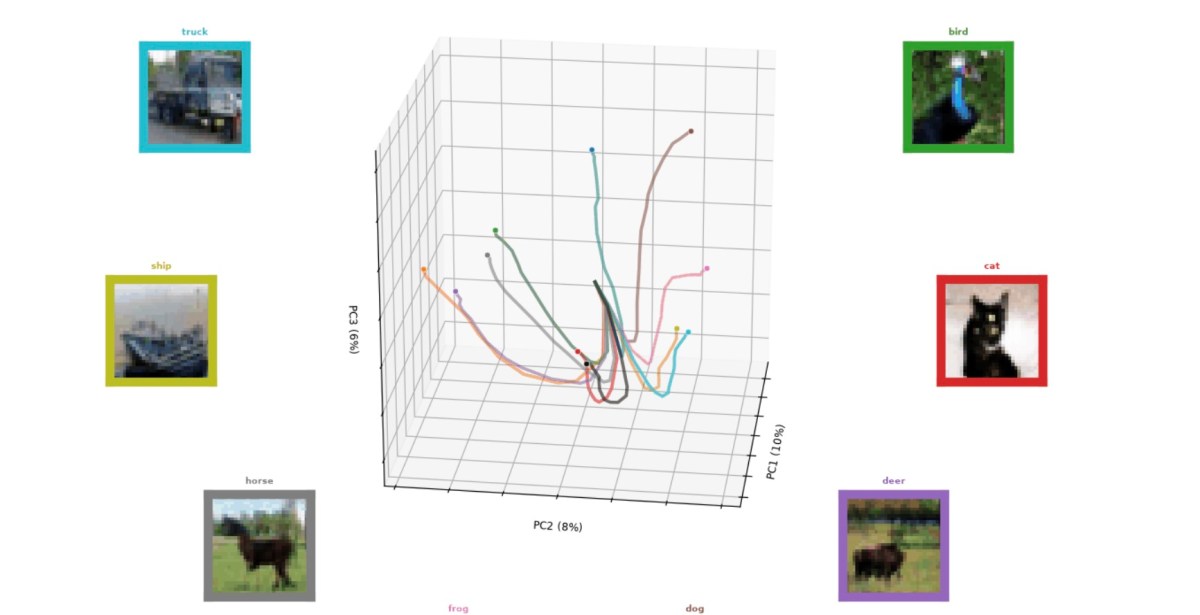

 Shared by @patrickcmiller.bsky.social ↗
 therecord.media41m ago
 Shared by @tech.eu ↗
 tech.eu41m ago
 Shared by @bigearthdata.ai ↗
 truthout.org41m ago
 Shared by @cnet.com ↗
 cnet.co41m ago
 Shared by @raybeckerman.bsky.social ↗truthout.org41m ago
 Shared by @girlfuturist.bsky.social ↗
 volts.wtf42m ago
 Shared by @frankyarriola.bsky.social ↗
 mashable.com43m ago
 Shared by @9to5mac.com ↗
 9to5mac.com44m ago
 Shared by @news.bot.suffolklitlab.org ↗
 theverge.com44m ago
 Shared by @gbatemp.net ↗
 gbatemp.net44m ago